by admin | Jan 20, 2010 | Label News, Technical
Franklin Hot Stamp Press
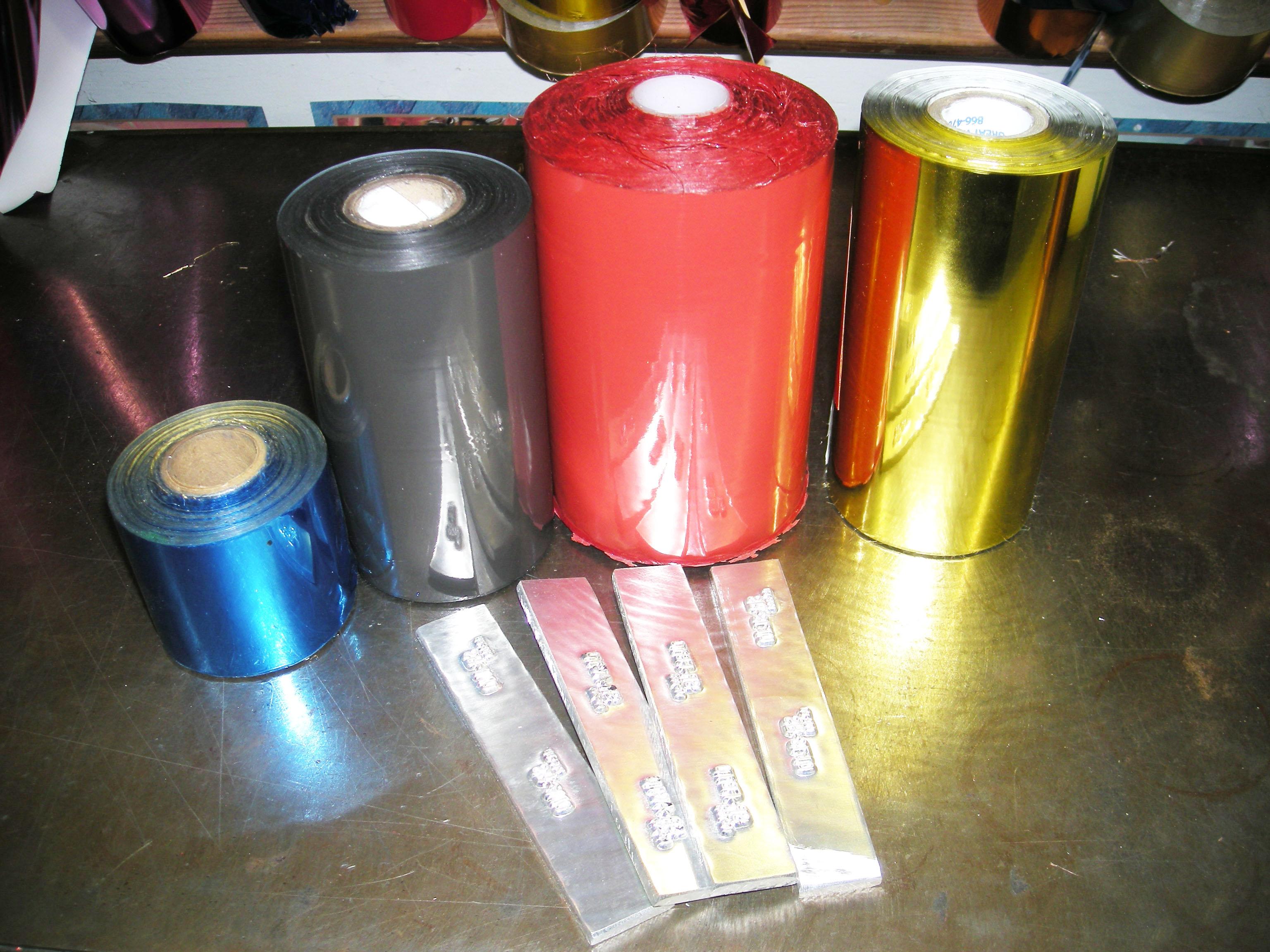
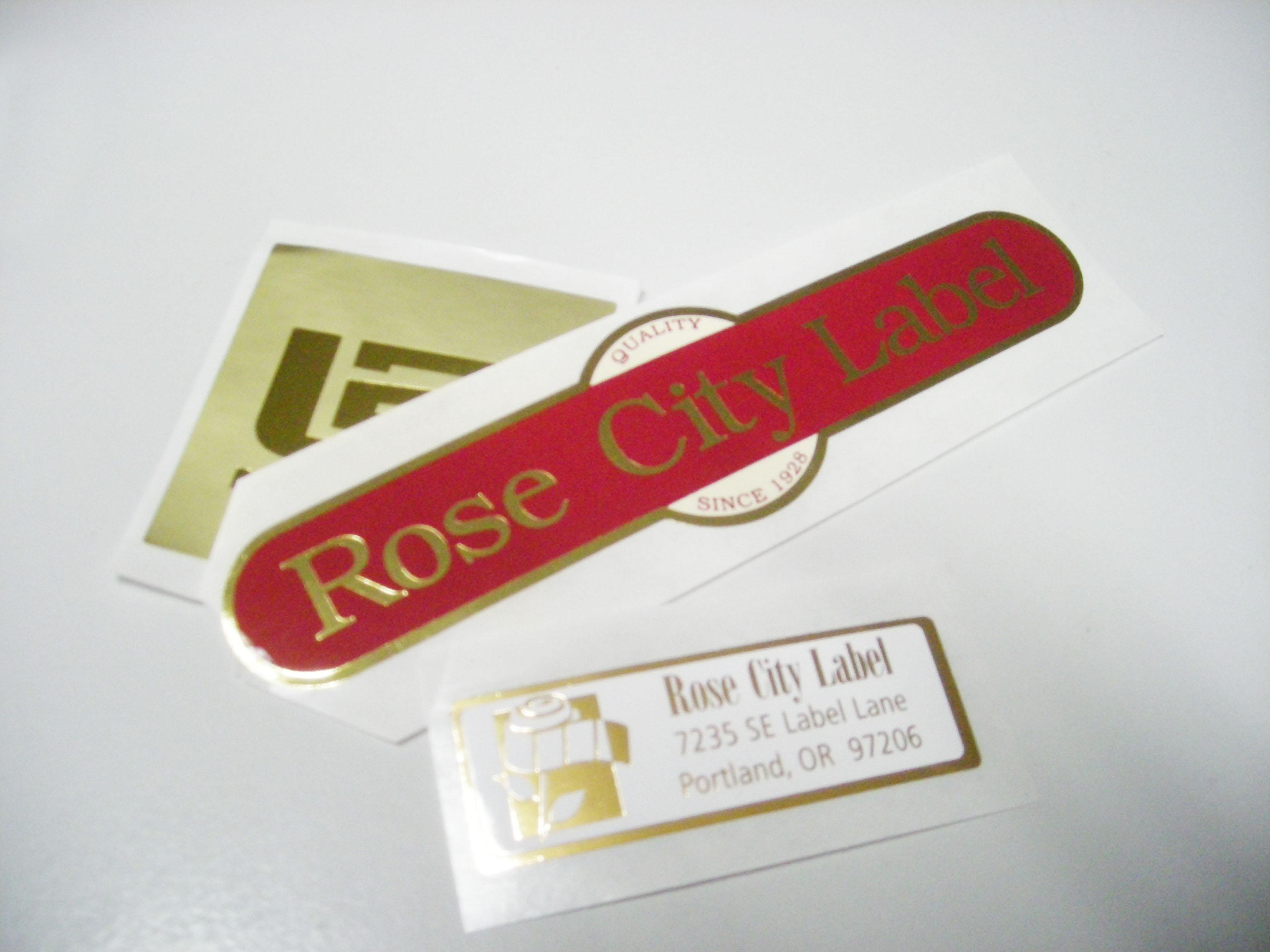
Here at Rose City Label we have a long time friend who has been here for what seems like forever. The Franklin Hot Stamp press. If you are looking for a solid economy label, Franklin is the way to go. Here are some of Franklin’s abilities: Serial numbering, specialty dies, inexpensive plates and finishing touches on flexo labels. Drop on by and see what Franklin can do for you!


by admin | Jul 31, 2009 | Label News, Technical
Over the years we have accumulated considerable knowledge about labels and label design. It is a pleasure to share this with customers as they navigate the world of labels. One of the most important things we have learned is WHERE TO GO for information. As the saying goes, ‘we don’t need to know everything, we just need to know where to find it.’
Hopefully this collection of links will help you as you design your label and packaging:
FDA Food Labeling Info – http://www.fda.gov/Food/LabelingNutrition/default.htm
Content Analysis – Nutrition Facts – http://nutrition-dietservices.com/labels.html
UPC Code Info – http://www.gs1-us.info/
Cosmetic Labels – http://www.cfsan.fda.gov/~dms/cos-lab3.html
Beer Labels – http://www.ttb.gov/beer/bam.shtml
Wine Labels – http://www.ttb.gov/wine/index.shtml
by admin | Jul 8, 2009 | Technical

You may have seen some strange looking bar codes on produce at your local grocery store recently.. They are part of a new food safety initiative to track produce from the field to the table.
As part of the GTIN (global tracking item number) system, these codes will allow specific lots of produce to be tracked from the farmer to the processor, distributor, and retail grocery store.
GTIN is really a database standard for storing the information, and these bar codes are just one implementation of the standard. In the future the data scheme may be applied to RFID or other identification methods.
For more information, visit this website, or call us to discuss how we can help you with any bar code you may need.
by admin | May 27, 2009 | Technical
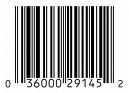
Typical UPC-A for retail
Many new products make the move to the ‘big time’ when they get a UPC code on their label. This is required by many distributors and large chain stores. The most common barcode format for retail packaging is the UPC.
UPC numbers must be registered, just like an internet domain name, so that when a code is scanned in the grocery store, the proper price is displayed and the store’s inventory is reduced by one unit to reflect the sale.
To make sure that two products don’t have the same UPC, like domain names, there is a central clearinghouse to coordinate this activity. The clearinghouse is GS1 – formerly known as the Uniform Code Council. You can find excellent information, and actually sign up for your own UPC code in minutes at this website:
GS1 – Barcode Leaders – http://www.gs1.org/barcodes
As always, you can call the experts at Rose City Label with barcode questions, too. We are happy to help!
by admin | Mar 16, 2009 | Technical
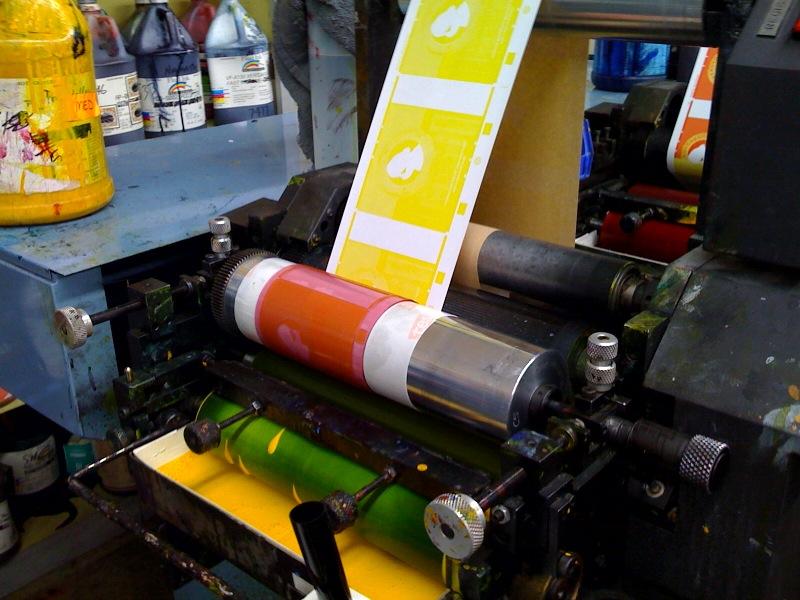
One of the terms label printers use that nobody else understands is ‘matrix’. Matrix is the waste material pulled away from the label stock after labels are diecut on press:

Most all of our labels are diecut on press, right after the printing is done, so all production is done in one efficient operation. The ‘matrix’ in this photo is being pulled up away from the labels and wound on a spool for disposal. This is also known as the webbing, or the matrix waste.
by admin | Mar 5, 2009 | Technical
New customers frequently ask about ‘Plate Charges’ and why they are needed. Well, here is a picture of four plates that have been mounted on the printing rolls:

These plates are made from the digital art file that represents your label. The art is separated into each of the colors used on the job, and a plate is made for each color. Then, each plate is inserted into the press and is used to physically transfer the ink onto the paper – this is where the printing really happens:

When all of the colors are combined, and the label is diecut, you get a beautiful finished product:

Why Plates? Because despite the rapid growth in Digital Printing, for MANY applications where the label design doesn’t change often, or the runs are large, traditional printing with plates is still the most cost effective, best quality solution for your printing needs.